
第 6 課
Integrating Stablecoins and Building Payment Solutions on XRPL
Secure, programmable payments with real-world utility.

Stablecoins aren't just for traders—they’re a powerful tool for real-world payments, and the XRP Ledger provides all the infrastructure needed to integrate them securely and programmatically.
Whether you’re building a merchant payment system, a fintech app, or a global settlement layer, XRPL’s APIs and SDKs allow developers to work directly with stablecoins like RLUSD or EURS. These tools make it easy to send, receive, and automate transactions with precision and speed.
In this lesson, we’ll explore how to integrate stablecoins into applications, enable merchant payments, and apply security best practices—turning stablecoins into a usable financial product, not just a token.
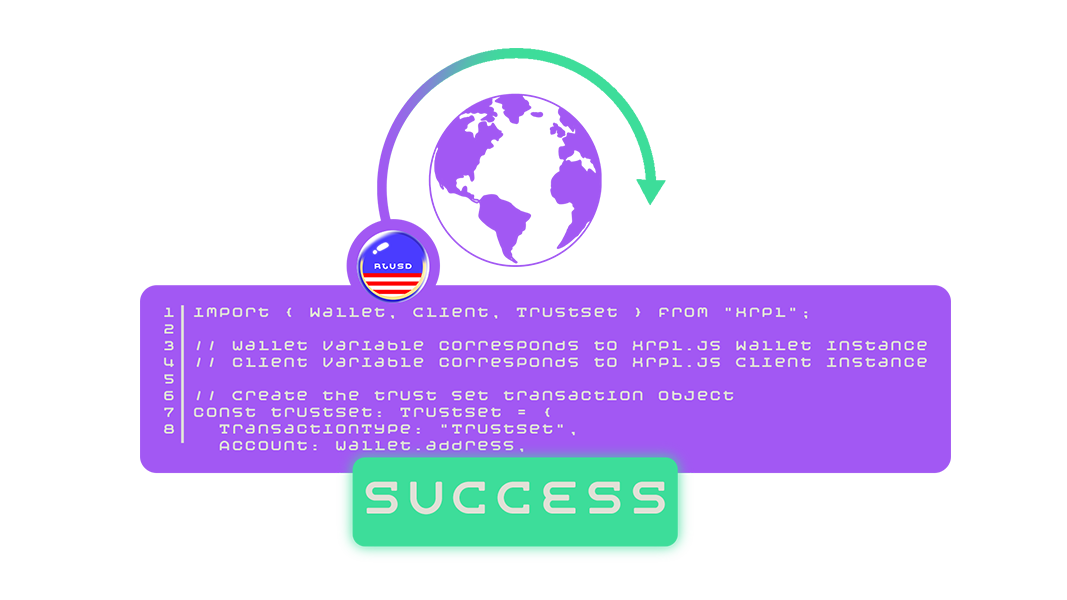 The XRP Ledger provides a suite of APIs and software development kits (SDKs) that make it easy to integrate stablecoin functionality into any app or platform. Developers can:
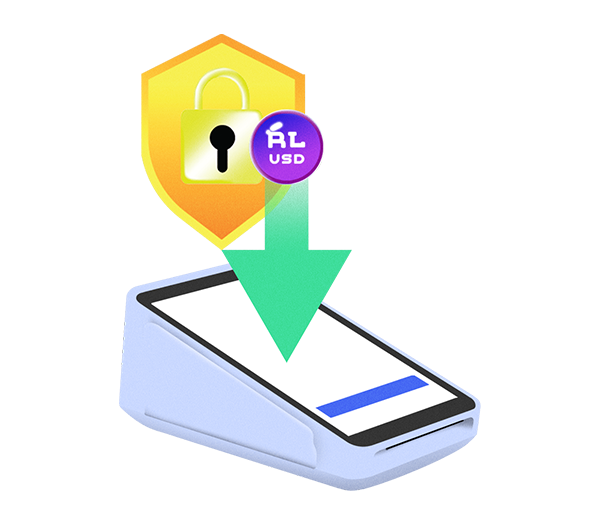 Security is critical when dealing with financial transactions—and XRPL gives developers multiple tools to protect users and assets.
Multi-signature (multisig) schemes allow multiple parties to sign off on a transaction. For example, a business can require approvals from both its operations and finance teams before funds move. This greatly reduces the risk of fraud or rogue access.
Another powerful tool is the clawback feature, which lets an issuer revoke tokens from a malicious actor—so long as clawbacks are enabled during issuance. While not a silver bullet, it can be a lifesaver in certain compliance or fraud scenarios.
Additionally, access controls and secure key management should always be part of your app design. Store secrets safely, use encrypted environments, and follow best practices for securing XRPL wallets and API endpoints.
Security is critical when dealing with financial transactions—and XRPL gives developers multiple tools to protect users and assets.
Multi-signature (multisig) schemes allow multiple parties to sign off on a transaction. For example, a business can require approvals from both its operations and finance teams before funds move. This greatly reduces the risk of fraud or rogue access.
Another powerful tool is the clawback feature, which lets an issuer revoke tokens from a malicious actor—so long as clawbacks are enabled during issuance. While not a silver bullet, it can be a lifesaver in certain compliance or fraud scenarios.
Additionally, access controls and secure key management should always be part of your app design. Store secrets safely, use encrypted environments, and follow best practices for securing XRPL wallets and API endpoints.
Using XRPL APIs and SDKs for Stablecoin Transactions
The XRP Ledger provides a suite of APIs and software development kits (SDKs) that make it easy to integrate stablecoin functionality into any app or platform. Developers can:
- Send and receive stablecoins like RLUSD or EURS via API calls.
- Programmatically open trust lines and manage balances.
- Automate settlements, withdrawals, and recurring payments.
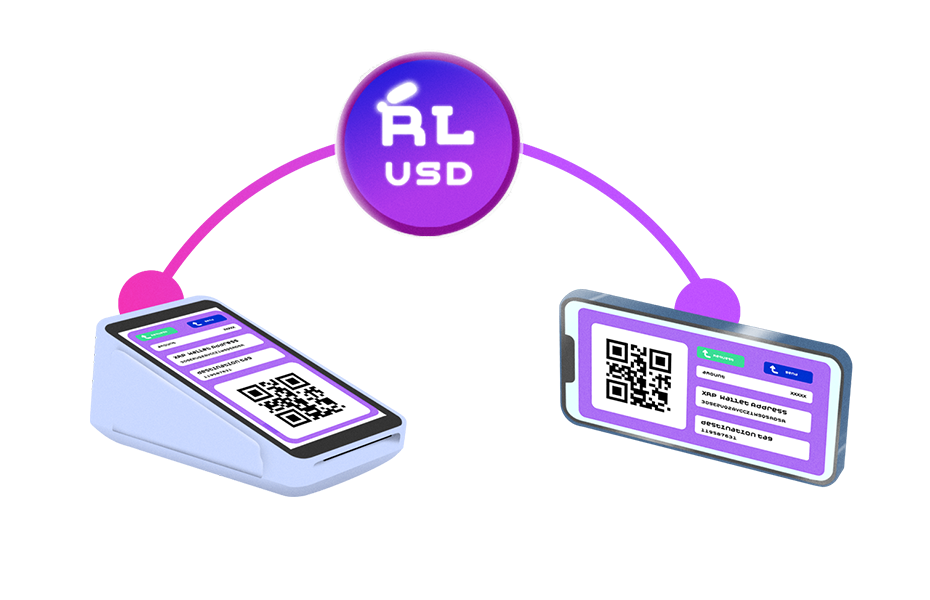
- Accept RLUSD at point-of-sale.
- Convert stablecoins to fiat or other crypto.
- Automatically manage transaction routing using XRPL’s native pathfinding and AMM tools.
Secure and Scalable Stablecoin Integration
Security is critical when dealing with financial transactions—and XRPL gives developers multiple tools to protect users and assets.
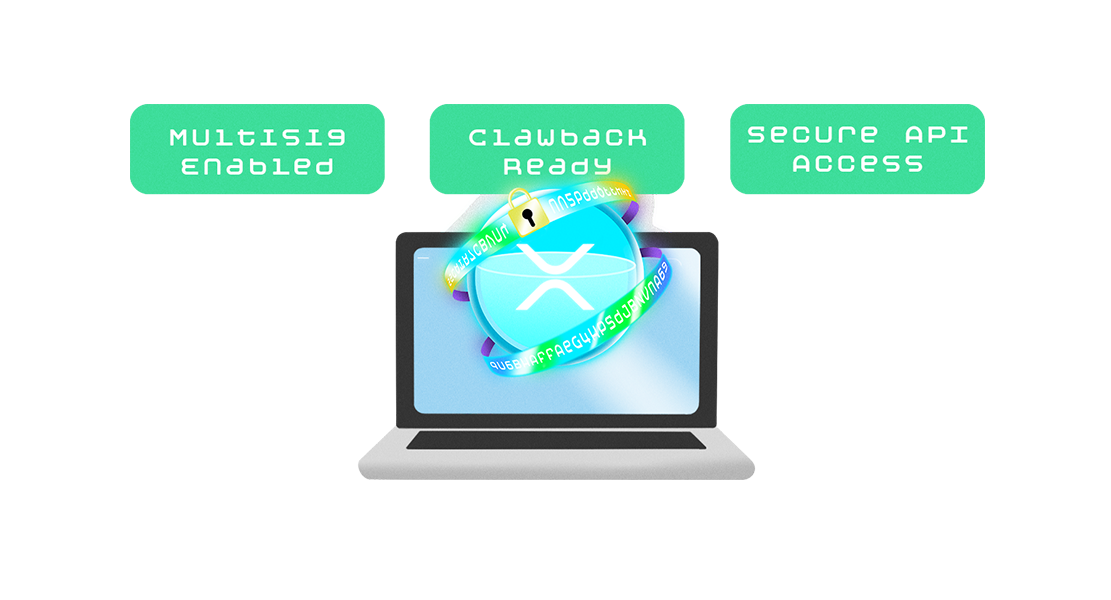
Multi-signature (multisig) schemes allow multiple parties to sign off on a transaction. For example, a business can require approvals from both its operations and finance teams before funds move. This greatly reduces the risk of fraud or rogue access.
Another powerful tool is the clawback feature, which lets an issuer revoke tokens from a malicious actor—so long as clawbacks are enabled during issuance. While not a silver bullet, it can be a lifesaver in certain compliance or fraud scenarios.
Additionally, access controls and secure key management should always be part of your app design. Store secrets safely, use encrypted environments, and follow best practices for securing XRPL wallets and API endpoints.
Building for the Real World
What separates a proof-of-concept from a live, real-world system is usability, reliability, and compliance. By leveraging XRPL’s fast, low-fee architecture and layering in security features, developers can create payment solutions that are ready for real merchants and institutions. Consider these tips as you build:- Use stablecoins like RLUSD for price stability in payments.
- Integrate API-driven settlement systems to reduce friction.
- Implement multisig and clawback protections for compliance.
- Support pathfinding and AMMs for dynamic liquidity.
- Partner with custody providers for regulated environments.