
레슨 8
Introduction to crypto security: wallets, keys, and smart contracts
Build your foundation of security as you enter the blockchain world.

The best way to start understanding crypto security is this: It’s in your hands, just like the wallet you carry with you every day. In most cases, there’s no institution standing between you and your assets, which can be an incredible freedom! But with freedom, there is always some risk.
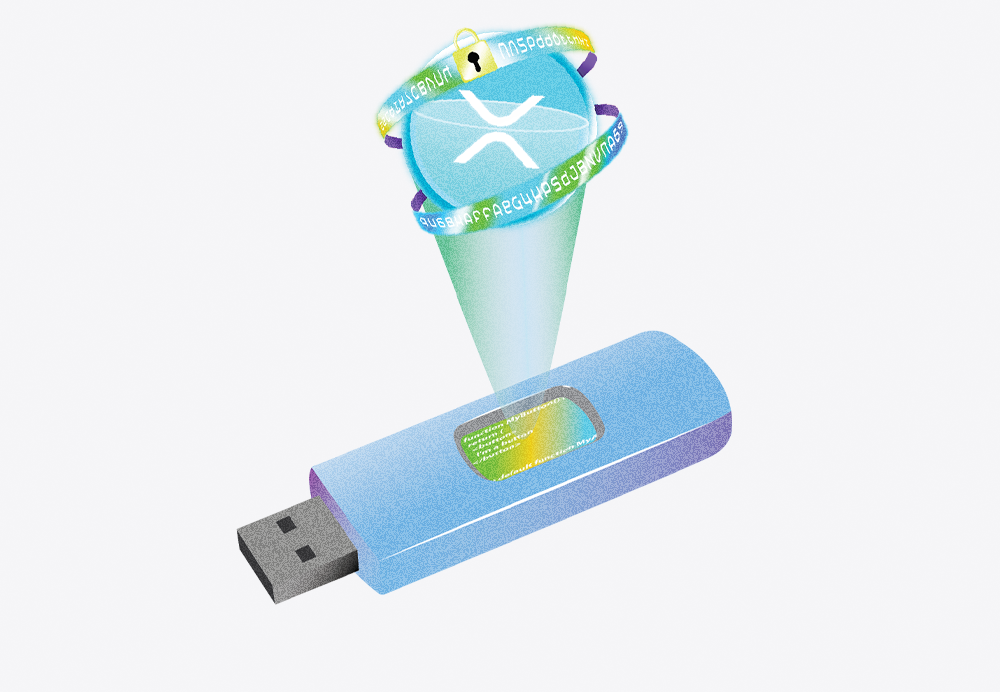
 Hardware wallets are physical devices, often resembling USB drives or battery banks, which store your private keys within. They’re much more secure than software wallets if security best practices are stringently followed. However, if your device is compromised and your home computer gets hacked, the hacker could steal your assets from your wallet while plugged in. The downside is that moving and managing your investments is much more clunky compared to the ease provided by purely using software wallets. Hardware wallets store your keys entirely offline and require you to move your assets into an exchange platform before exchanging.
Asset management (wallets and keys)
Understanding crypto wallets is a significant first step in safely navigating the world of digital assets. Just like keeping track of your cash or valuables, there isn’t much more reassurance than holding onto your assets yourself. If you entrust someone else to look after your things, there’s always a chance they could lose them or run off! Digital assets are just the same, so let’s learn a bit about the wallets where you can store your crypto. Like many other safety measures on the internet, selecting the right wallet can introduce a security tradeoff in exchange for convenience. Crypto wallets vary in design and offer several different functionalities. However, there is an overarching similarity between all wallets: the safety and security of your wallet and the assets within is solely up to you, the owner. So, let’s review the different types of wallets and some best practices to protect your assets.Software & hardware wallets
Software wallets are application-based wallets that store your private keys/assets in an encrypted format online within the app’s data storage. These wallets enable users to move, manage, and view your assets easily by decrypting and using the secret keys. Just like online banking, software wallets can be a fast and convenient way to manage your assets. Still, there are trade-offs—the security of these systems is largely dependent on the practices and protocols used by the app developers.
Hardware wallets are physical devices, often resembling USB drives or battery banks, which store your private keys within. They’re much more secure than software wallets if security best practices are stringently followed. However, if your device is compromised and your home computer gets hacked, the hacker could steal your assets from your wallet while plugged in. The downside is that moving and managing your investments is much more clunky compared to the ease provided by purely using software wallets. Hardware wallets store your keys entirely offline and require you to move your assets into an exchange platform before exchanging.